Learning Through Play
Can movement make reading easier to understand?
9 March 2026 · 6 min read
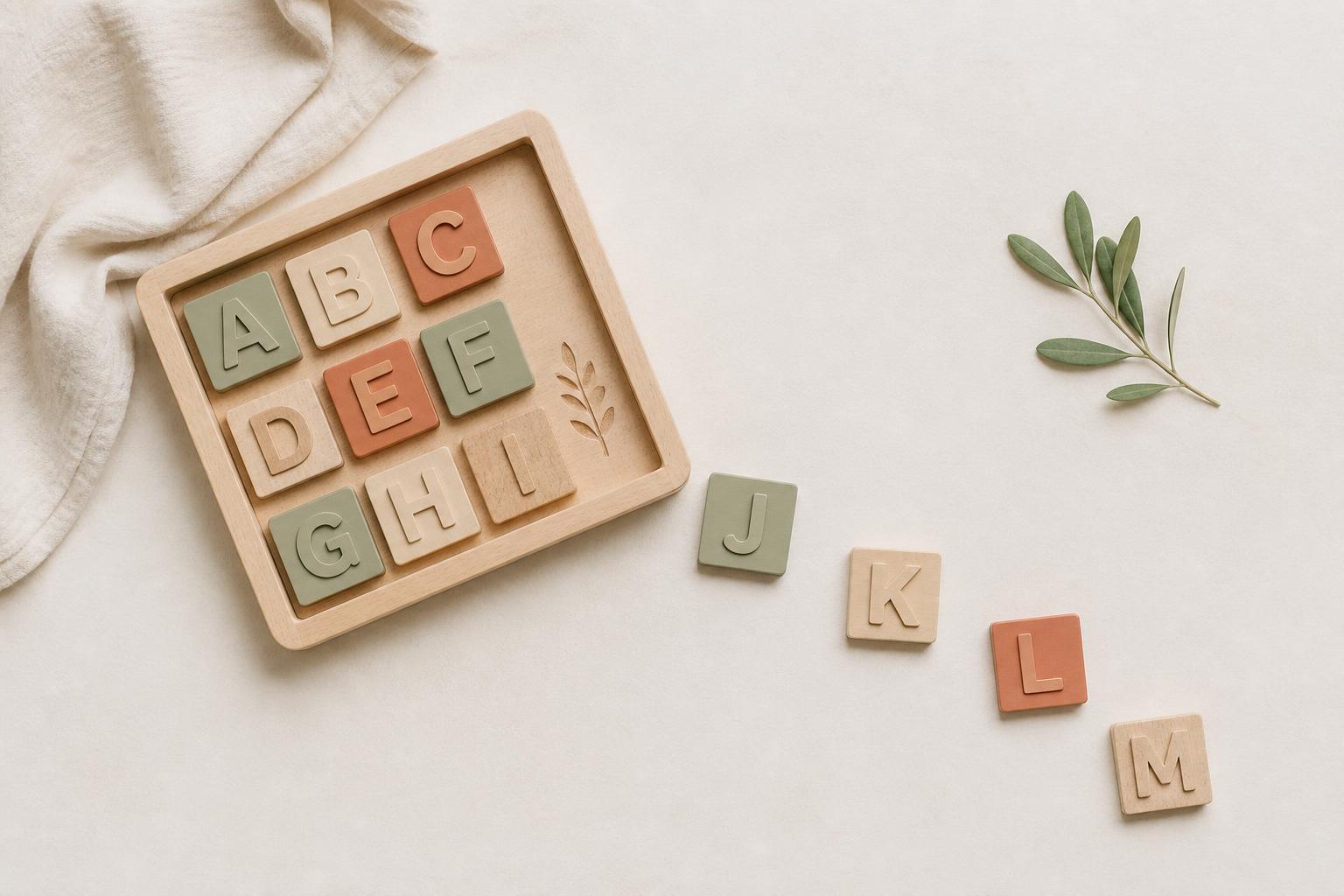
Watch a four-year-old work something out and you will usually see their hands involved. They line things up, sort them, move them apart, bring them together. Thinking and moving are not yet separate activities.
Early reading, by contrast, is often introduced as something still: look at the page, look at the letters, say the sounds. For some children that works. For others, the stillness itself is part of the difficulty.
What movement seems to offer
- A word becomes something you build, not only something you decode.
- Mistakes become reversible — a letter can simply be moved back.
- The left-to-right direction of reading becomes a physical habit.
- Attention lasts longer, because the hands stay engaged.
There is also something quieter happening. When a child physically separates a word into parts and puts it back together, they are demonstrating an idea rather than being told one. Understanding arrives through doing.
Where we are with this
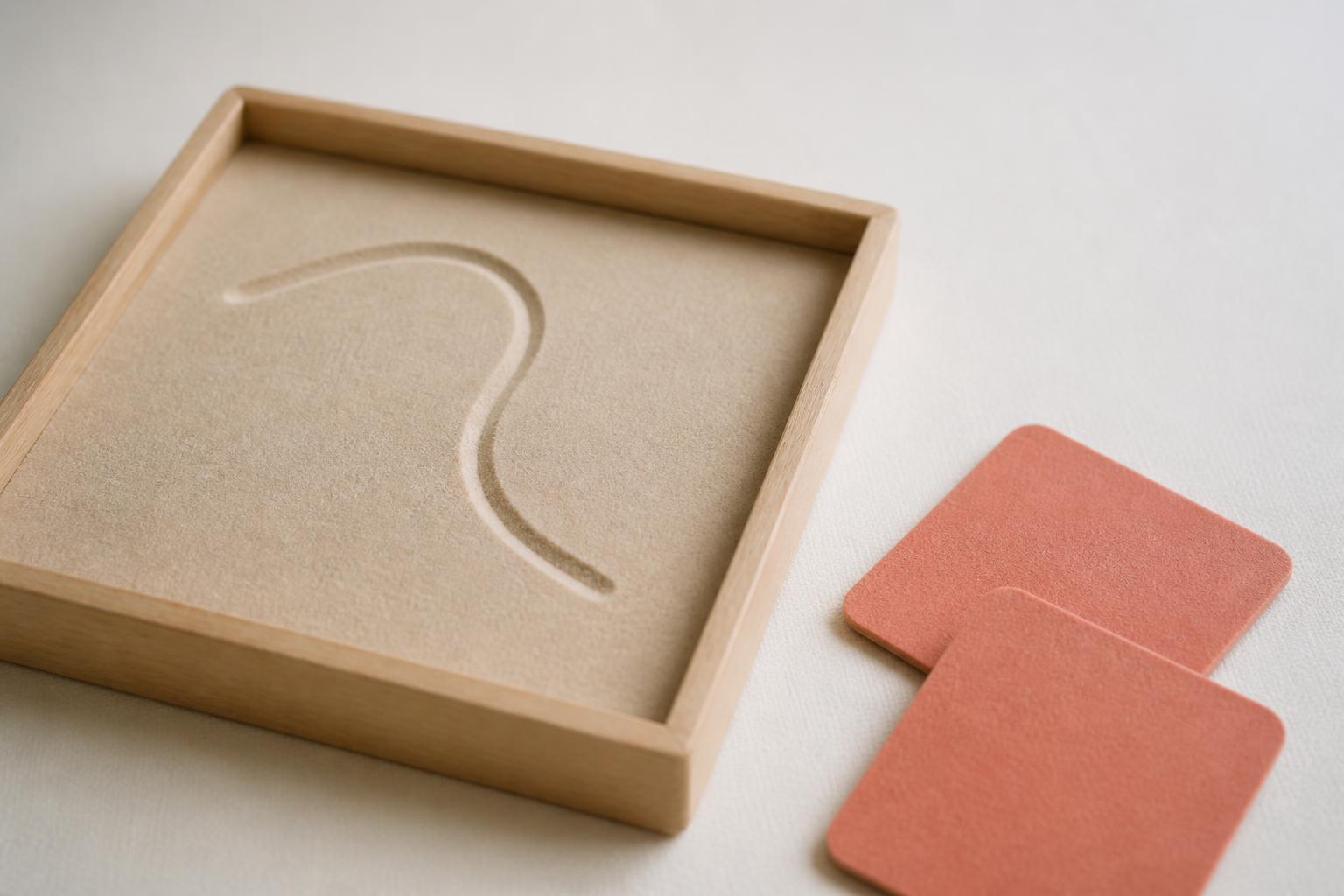
This is an open question for us rather than a settled position. It is one of the ideas shaping the prototypes currently on our workbench, and we expect classroom testing to change our thinking in ways we can't predict yet.
Play should be joyful, but every learning experience should have intention behind it.
We'll keep sharing what we observe as we build — including the parts that don't work.