Phonics Basics
What makes sound blending difficult for some children?
24 February 2026 · 5 min read
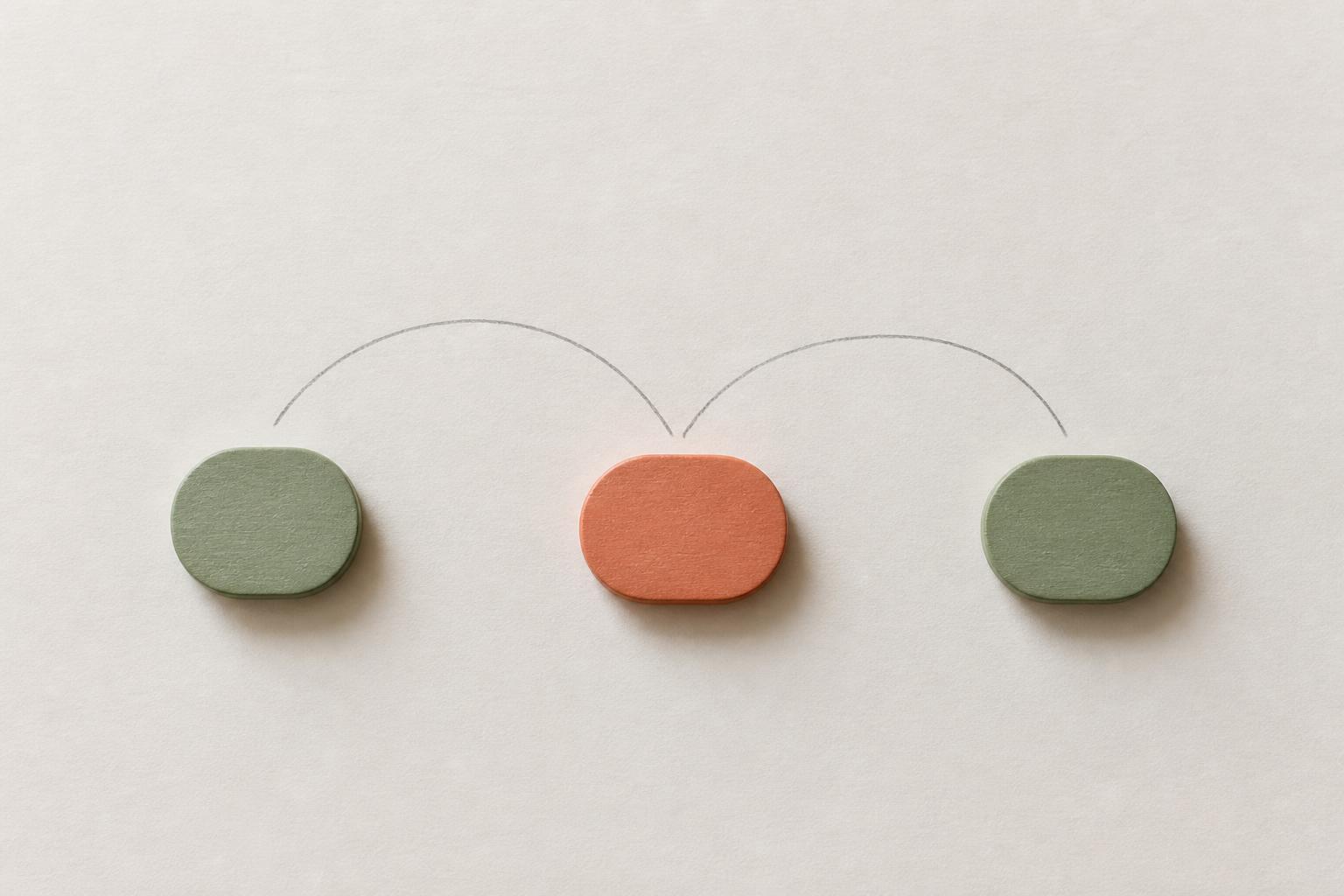
Blending looks like a single skill from the outside. A child says /m/ /a/ /t/ and then says 'mat'. When it works, it happens quickly enough to seem effortless. When it doesn't, it can be hard to tell where the difficulty sits.
Three quiet sticking points
In practice, children tend to pause in one of a few places, and each pause suggests something different about what would help.
- Holding: by the time the last sound arrives, the first one has faded.
- Ordering: the sounds are all there, but they arrive in a different order than they appear.
- Hearing the whole: the sounds stay separate, like three items on a list rather than one word.
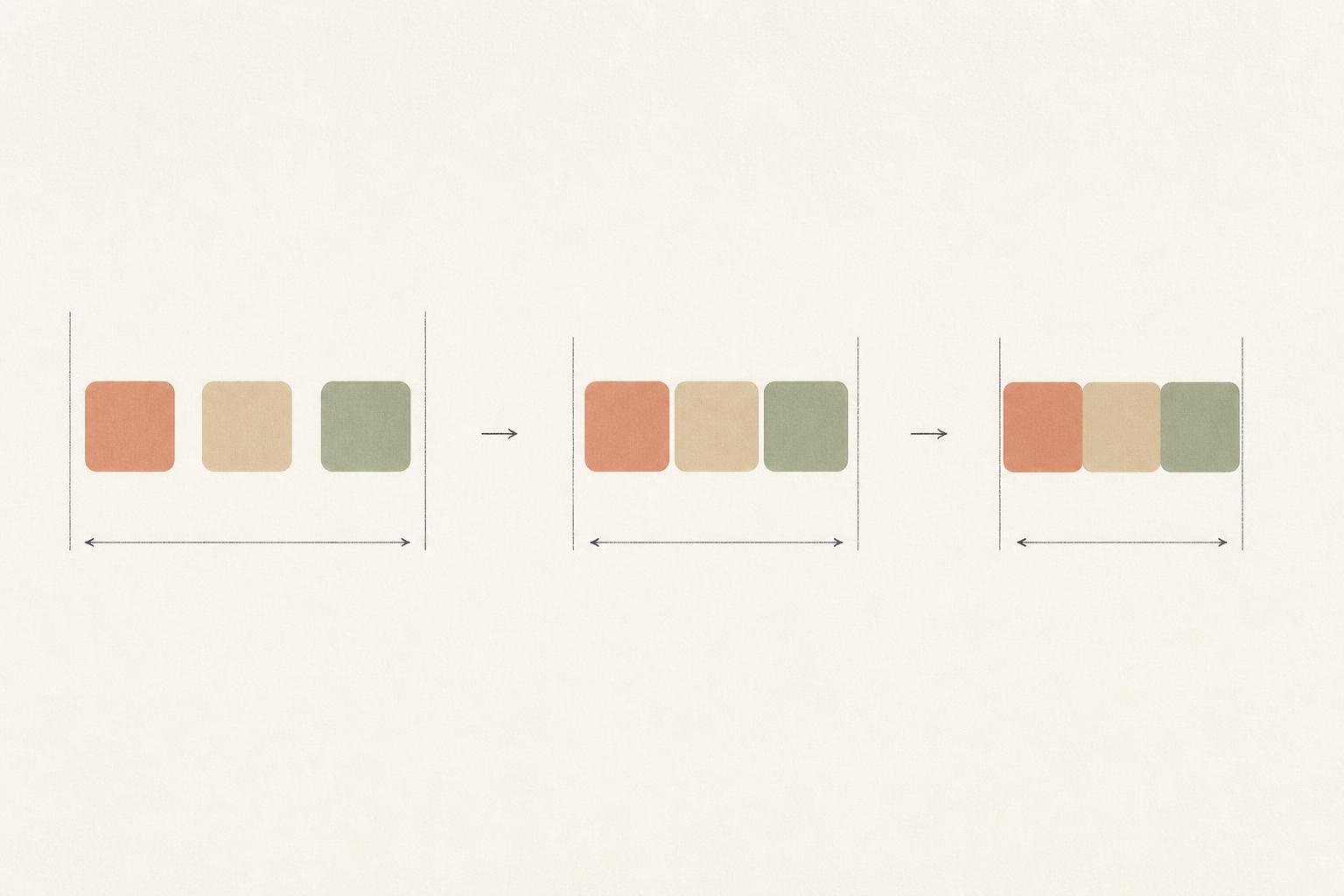
A child stuck on holding may do better with shorter words and a slower pace. A child stuck on ordering often benefits from something physical to move left to right. A child who hears only the parts sometimes needs the sounds pushed physically together, so the joining is something they can see and feel.
Why physical materials help
When sounds exist only in the air, they disappear the moment they are spoken. When they exist as objects a child can slide, swap and push together, the child no longer has to hold everything in memory. The material carries part of the load, and attention is freed for the listening.
The material carries part of the load, so the child's attention is free for the listening.
We're not suggesting there is one method that suits every child. We are interested in materials that make the difficulty easier to notice — for the adult watching, and for the child doing.